The Curricula
Scala Gentium
Reading God's Two Books with the Gospel of Matthew
Thirteen original stories follow the Gospel of Matthew from the genealogy to the Great Commission. Each is told by a witness from one of the ancient nations, and each opens into a unit of history, mythology, and theology.
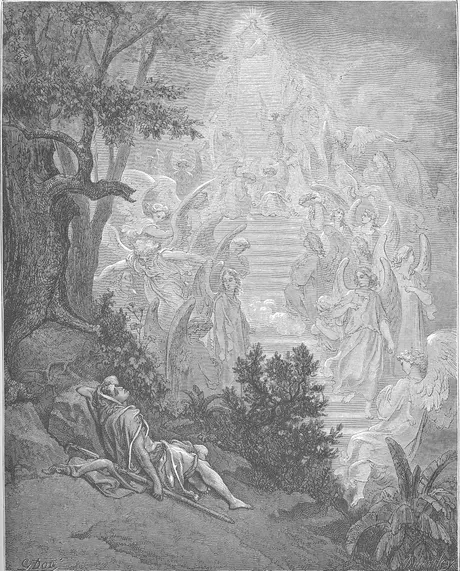
What it teaches
The nations of the ancient world each saw something true. Rome had the Sibyl's song of a child who would bring back the golden age. Persia had the star and the watchers of the sky. Egypt had a mother hiding her son from a murderous king. Scala Gentium takes those partial sights seriously, and then sets them beside the Gospel that fulfills them.
Each unit begins with a story written for this curriculum. The first is narrated by the Cumaean Sibyl herself, counting out the ages of the world in grains of dust. From the story the unit opens outward: into the real history of the nation, read in a History Companion with maps and timelines; into its mythology, read in the ancient sources; and into the Gospel, read in the Douay-Rheims with the commentary of Cornelius a Lapide, the great Jesuit exegete.
Every unit also carries a Shelf Reader: one anchor classic, read whole. Unit 1 reads Book VI of the Aeneid, so that the student can walk into the Sibyl's cave and find it really there.
The thirteen stories
The stories run in Gospel order across four years: four in the first year, then three in each of the next three. The first year, The Advent of the King, covers Matthew 1–4:
- The Last Age of the Cumaean Song · Rome · Matthew 1–2, the genealogy and the Nativity
- The King's Road · Persia · Matthew 2:1–12, the Magi
- Coming Forth by Day · Egypt · Matthew 2:13–23, the flight into Egypt
- The Crossroads · Greece · Matthew 3–4, the Baptism and the temptation in the desert
Later years carry the Gospel through the Sermon on the Mount, the parables, Caesarea Philippi, and the Passion, and end in Ireland with the command to teach all nations.
The shape of a week
Five days, the same every week, so the household learns the rhythm once.
| Day | Work |
|---|---|
| Day 1 | Read the week's chapters of the story aloud, parent and student alternating by paragraph, marking the text as they go. Read the week's Scripture aloud. |
| Day 2 | History and Scripture: the History Companion spread, then written questions on the week's Lapide reading. |
| Day 3 | The Study Day. The student sets the nation's myth beside the Gospel, works through the questions and the comparison box, and ends with one sentence that states the week's finding. |
| Day 4 | A writing day for your composition course, with material handed over from the story on the Workbook's last page. The Shelf Reader continues. |
| Day 5 | The week's finished piece read aloud to the family, and the week's best lines copied into the student's own book. |
Unit 1 runs nine weeks. The weeks build on a fixed schedule: more commentary each week, the comparative method taught outright in Week 7, and a closing Week 9 in which every student writes a thesis and defends it aloud for ten minutes.
For the parent who teaches it
You do not need to know Roman history, Latin, or how to teach writing. The Teacher Manual prints every line you say aloud in red, tells you which answers to expect and what to do with each, and gives a key for everything you grade. For families who want the long conversation, it also carries the full Socratic script for the week.
One rule runs through it: the parent is a fellow student. When nobody in the room knows, you say so, and open the History Companion together.
At a glance
- Who it's for
- Students entering high school, and the parents who teach them. No prior knowledge of the ancient world is assumed.
- Credits
- History and theology, four years.
- Stance
- Traditionally Roman Catholic, and argued rather than assumed. Non-Catholic students are invited to write persuasively on where they stand. Our approach
- In the box, per unit
- Reader · Workbook · Teacher Manual · History Companion · Shelf Reader
- Sources
- Douay-Rheims Scripture; Cornelius a Lapide; the ancient historians and poets, in public-domain translations.
- Status
- In pilot with homeschool families. First materials available for the 2027–28 school year.
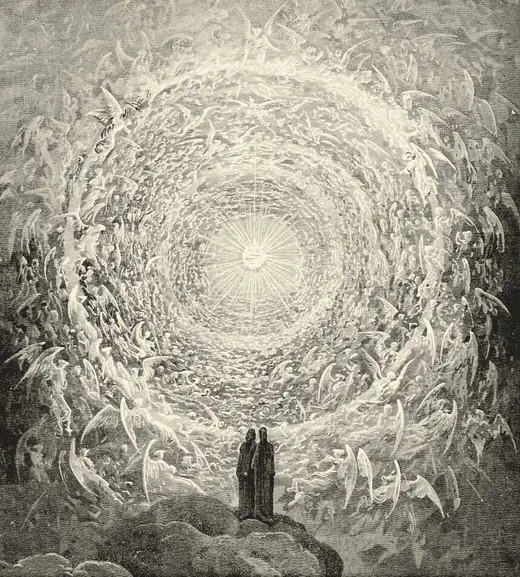
Sample pages
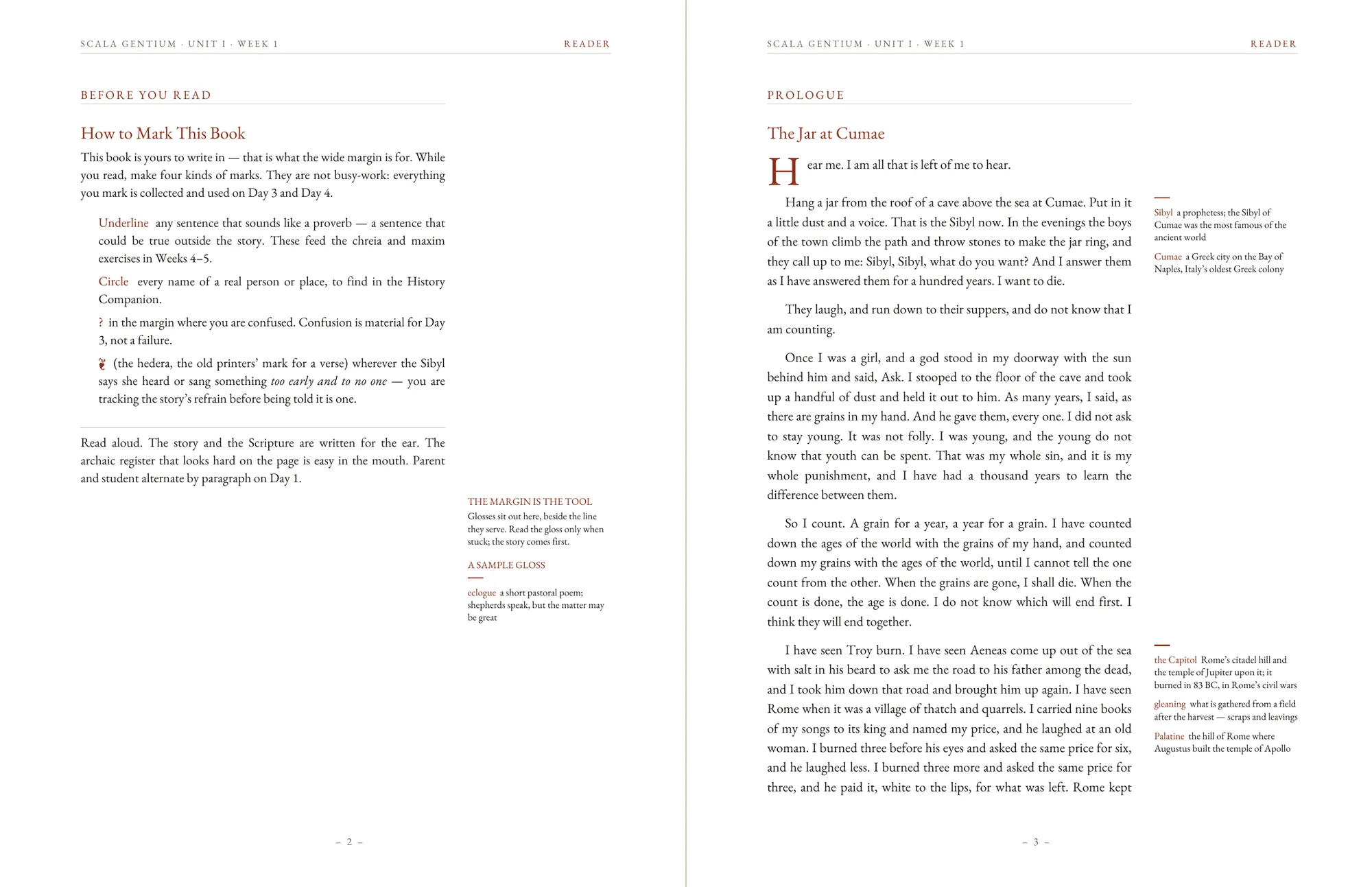 (open larger image)
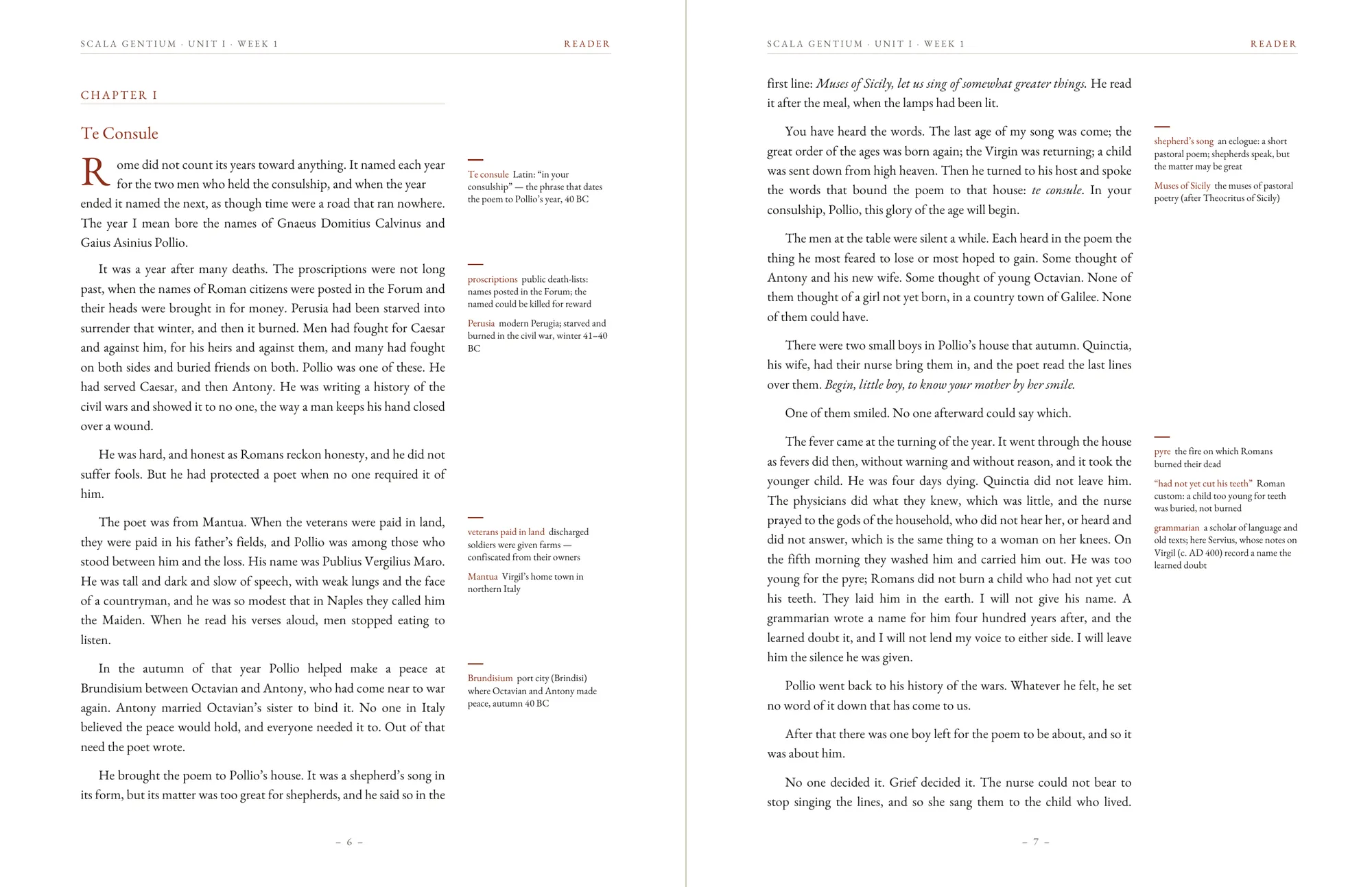 (open larger image)
- Unit I, Week 1 · Reader PDF · 11 pages · 56 KB
- Unit I, Week 1 · Teacher Manual PDF · 11 pages · 58 KB
- Unit I, Week 1 · Workbook PDF · 11 pages · 53 KB
- Unit I, Week 1 · History Companion PDF · 10 pages · 5.1 MB
- Unit I at a Glance PDF · 2 pages · 37 KB
- Unit I · Shelf Reader (excerpt) PDF · 12 pages · 430 KB
Follow the pilot
Join the interest list for sample pages as they are finished, word when pilot spots open, and release and pricing news when there is some.
Join the interest list